
You know how group travel sounds simple until you start counting seats, bags, and who can legally drive the thing.
If you are arranging minibus hire hertfordshire, a school run, airport transfers, or corporate travel, the “right” minibus is the one that fits your passengers, route, and compliance checks without blowing your budget.
Licence rules are usually the deciding factor. A standard UK car licence (Category B) typically covers vehicles up to 3.5 tonnes with up to eight passenger seats, but the moment you move into larger seating (or paid passenger travel) the rules change.
In this guide, I’ll walk you through budget, luggage space, accessibility, fuel type (including electric minibuses), and whether hire, contract hire, or leasing makes more sense for your fleet management.
A diverse group of investors discussing pricing changes outside a modern office building.
Set a clear budget first, because it forces the right trade-offs early. Your “best deal” is usually the lowest total cost over the time you plan to keep the vehicle, not the lowest sticker price.
In practice you have three main routes: self-drive hire for short peaks, buying (often used) for control, or leasing and contract hire for predictable monthly costs and easier refresh cycles.
If you are considering electric minibuses, budget for charging. From 1 April 2026, the Workplace Charging Scheme increases the per-socket grant cap to £500 for eligible installations, which can shift the numbers in your favour if you are fitting multiple charge points.
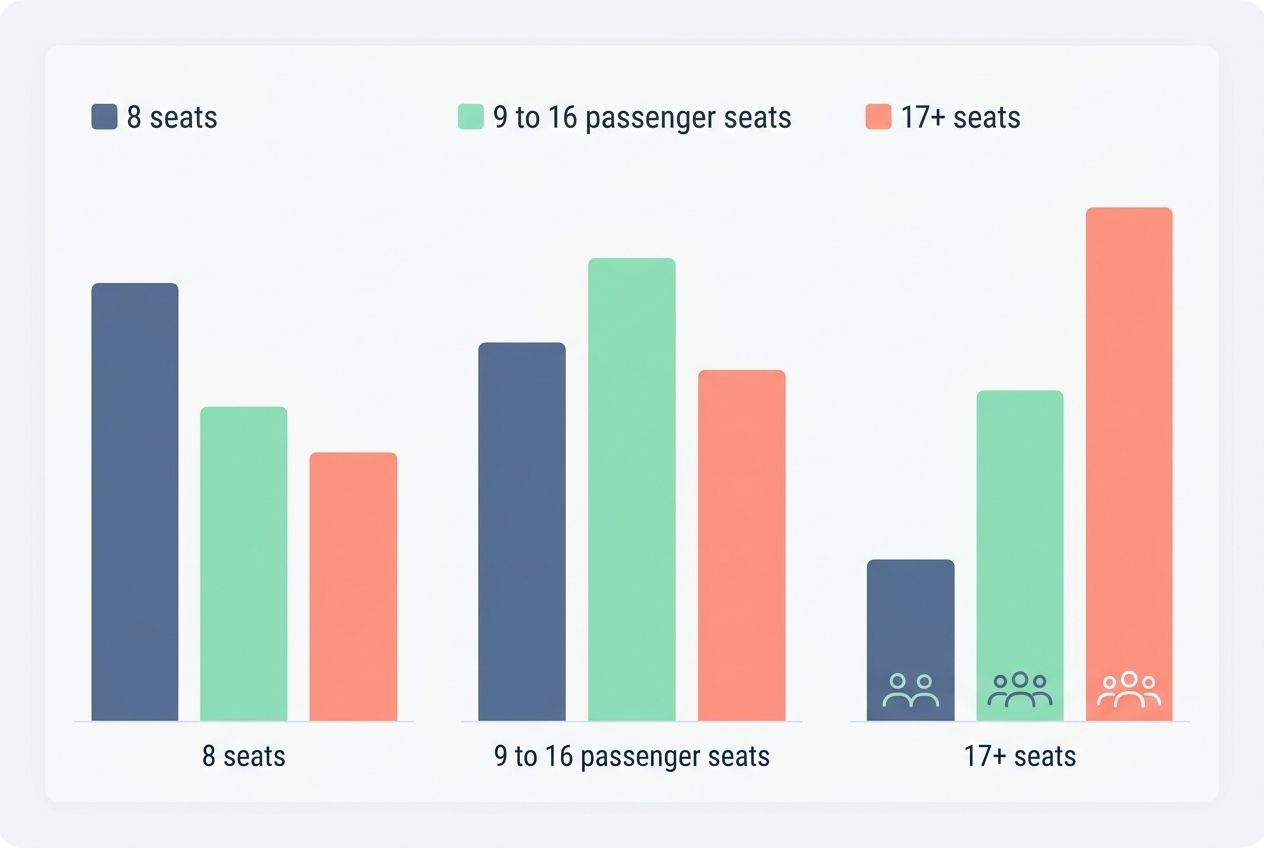
Start with your maximum headcount on the busiest day, then work backwards. If you routinely travel with eight passengers plus the driver, you can often stay within the simpler Category B envelope (subject to vehicle weight and use).
Once you step into 9 to 16 passenger seats, you are usually looking at Category D1. There are limited UK exemptions that can allow minibus driving on a car licence in specific non-commercial situations, and the government rules also set weight limits (including higher allowances for some electric or hydrogen vehicles), so treat this as a compliance check, not an assumption.
If you are taking payment for carriage (hire or reward), licensing and operator obligations can apply for vehicles designed to carry nine or more passengers, so confirm your operating model before you commit to a seating plan.
| Typical layout | What it’s best for | What to check before you book or buy |
|---|---|---|
| 8 seats (plus driver) | Smaller teams, premium shuttle use, straightforward self-drive group travel | Category B limits, vehicle weight on the plate, luggage space, and insurance for self-drive |
| 9 to 16 passenger seats | School trips, sports teams, regular routes, larger weddings | D1 position, “hire or reward” status, operator obligations, and driver availability |
| 17+ seats (often moving into midibus territory) | Regular high-volume routes and larger groups with baggage | Driver entitlement, operating model, storage needs, and whether a midibus is a better fit |
If you need local support, a quick turnaround, or a driver supplied, it can be smart to choose minibus hire hertfordshire for large group days like weddings, stadium runs, and busy school calendars.
For slightly larger groups or heavier-duty routes, you may find a midibus or coach-built option fits better than forcing an oversized minibus onto a tight route. Brands like Ferqui are often seen in this space, so use them as a reference point when you compare sizes and layouts.
If you run self-drive bookings online, treat it like a real security surface. A sloppy booking flow can attract malware, virus-driven spam, and card-testing attempts.
Luggage is where “enough seats” turns into an uncomfortable trip. Airport transfers and long-distance group travel often need more storage than people expect.
A practical benchmark is the standard airline checked bag limit many UK travellers recognise: up to 23 kg and 158 cm total dimensions (length + width + height). If your group shows up with eight of those, your rear storage can disappear fast.
For shorter trips, packing-volume guidance often puts a 1 to 2 day trip in the roughly 70 to 113 litre range per suitcase. That is why a minibus that feels roomy inside can still struggle if everyone brings a hard-shell case.
If you transport passengers with reduced mobility, build accessibility into the spec from day one. Retrofitting later is usually more expensive and can reduce seating flexibility.
Check ramps or lifts, tie-downs, clear aisle width, step height, and the vehicle’s service history. For lifts used to raise people, plan your compliance schedule as well as your layout, because LOLER thorough examinations are commonly required at least every six months unless a written scheme specifies otherwise.
Modern minibuses can keep flexibility without turning every journey into a reconfiguration job. Look for smart flooring systems that let seats fold or relocate, with securement points built into the floor so staff are not improvising tie-downs.
The Mercedes Sprinter Tribus is a useful example of what “designed for flexibility” looks like. The published specification for the Tribus conversion highlights up to eight seated passengers, up to four wheelchairs, and an M1-certified floor and seating system, which is the kind of detail that helps you keep passenger capacity while meeting accessibility needs.
Plan for real boarding speed, not ideal boarding speed. The more often you load wheelchairs, the more you will value simple controls, clear turning space, and predictable securement points.
If you need specialist equipment or extra internal volume, a customised minibus can make sense. Lead times vary by converter and season, so if you are planning around a September school start or summer event calendar, order earlier than you think you need to.
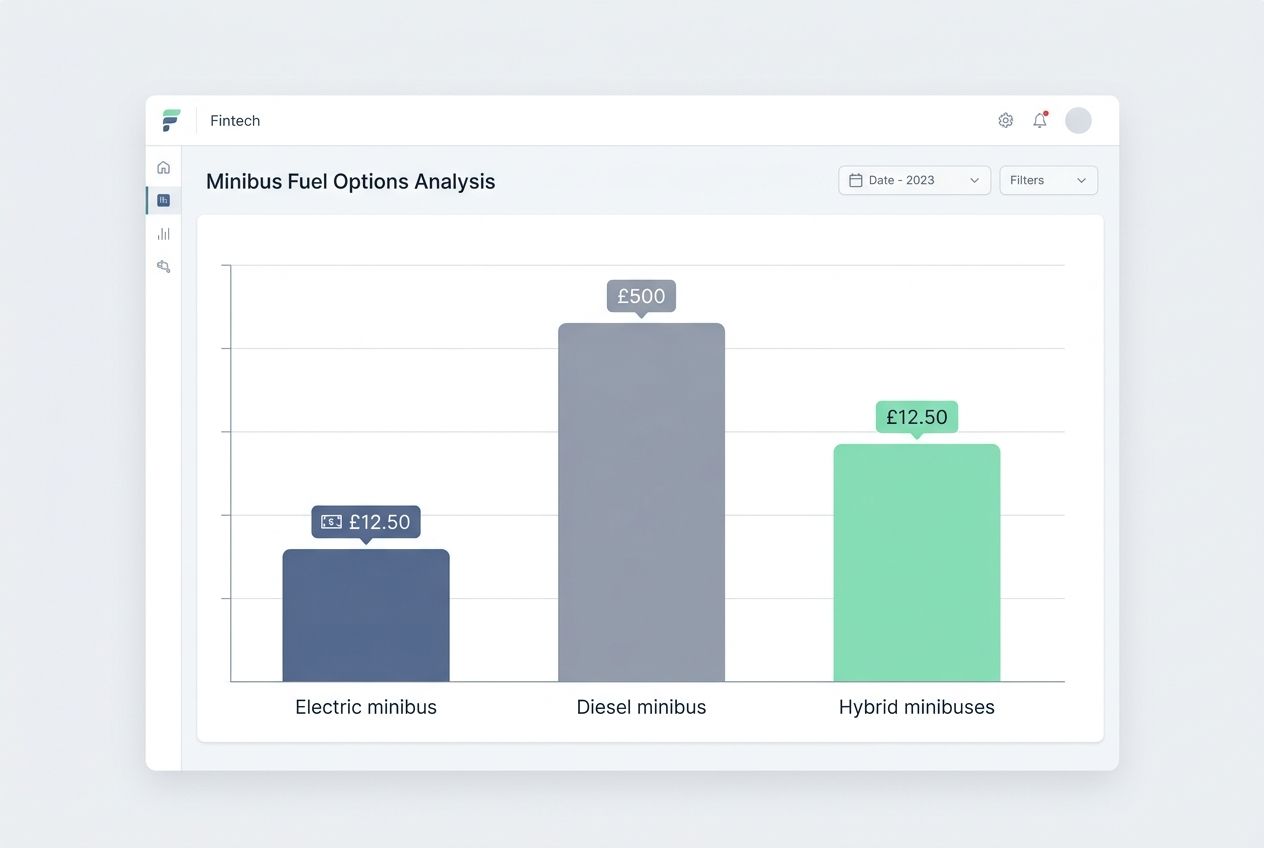
Fuel choice is a route decision first, and a sustainability decision second. If your work is mostly city mileage, compliance zones and stop-start driving can tilt the sums towards electric minibuses. If you run long rural routes, diesel can still win on convenience.
| Option | Summary Points |
|---|---|
| Electric minibus (EV shuttle) |
|
| Diesel minibus (diesel coach) |
|
| Hybrid minibuses |
|
| Regulatory and zone notes |
|
| Practical tips |
|
New gives you specification control. Used gives you speed and a lower upfront hit. The right answer depends on how quickly you need the vehicle working, and how specialised your layout needs to be.
| Criteria | New minibuses | Used minibuses |
|---|---|---|
| Cost impact | Higher purchase price. Suits long term budgets. | Lower upfront cost. Helps stretch the fleet budget. |
| Delivery time | Modified vehicles can arrive within three months, depending on season and converter lead times. | Immediate supply possible, from stock or existing inventory. |
| Customisation | Can be modified to meet specific operational needs, including accessibility and luxury fittings. | Limited scope for changes, but good stock does exist if layouts already match your needs. |
| Emissions | Latest models meet current standards, depending on spec. | Some used vehicles already meet Euro 6 emission rules, which matters for ULEZ and many Clean Air Zones. |
| Fleet expansion speed | Slower addition, due to build and fit-out time. | Faster addition, ideal for immediate route launches. |
| Operational fit | Best for long term, specialised services, and high comfort runs. | Good for peak demand, trial routes, and budget-conscious services. |
| Sales support | Dealer and converter support helps you specify models and modifications for intended journeys. | Good suppliers will still help you match a second-hand unit to your route and passenger needs. |
| Examples and facts | New, modified minibuses can be ordered with wheelchair ramps, lifts, tracked floors, and premium seating. | Well maintained second-hand vehicles can complement an existing fleet, if you verify servicing, inspections, and accessibility equipment history. |
Get licensing clear early. It prevents last-minute cancellations, insurance problems, and the expensive mistake of buying a vehicle your available drivers cannot legally drive.
Start with budget, then lock in seats, luggage space, and accessibility, in that order.
If you operate in London or Scottish city centres, consider electric minibuses and Euro 6 compliance early, because ULEZ and Low Emission Zones can change the running costs fast.
Choose new, used, leasing, or contract hire based on lead time and total operating cost, then confirm the driver licence rules and your “hire or reward” position before you sign.
Once you have that nailed down, minibus hire hertfordshire becomes a straightforward decision, you can pick the right Mercedes Sprinter, Ford Transit, Volkswagen Crafter, or midibus option with confidence and keep your group travel plan on track.
Count your passengers and include luggage, allow extra space for passenger comfort. Larger vehicles add cost and fuel use, so match capacity to your budget and trip needs.
Accessibility is vital for safety features and legal compliance. If anyone needs step-free access, choose a small bus with wheelchair access and securement points.
Pick diesel for long miles, electric vehicles for lower running costs and cleaner zones.
Check licence rules and operator insurance, to match your planned usage. Ask about service schedules, roadside cover and safety features, to reduce downtime. Use a firm that supplies trained drivers, or verify your driver has the right qualifications and experience.


